
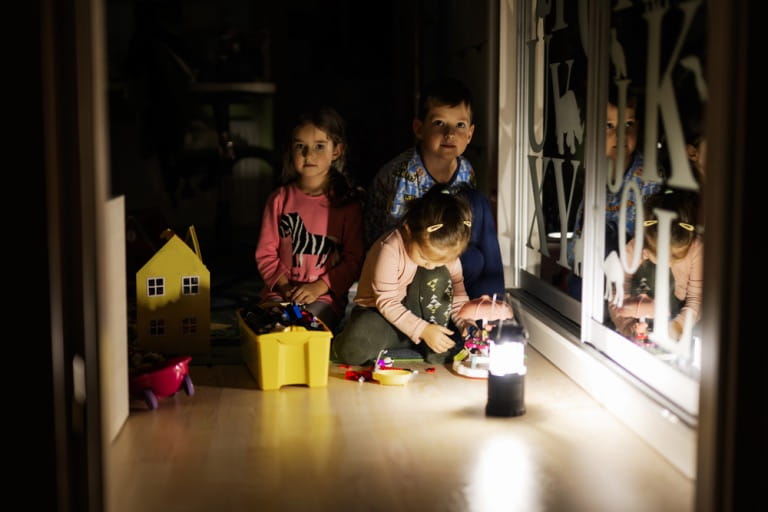

Picture this: you’ve just finished a long day at work, you’re halfway through making dinner, and suddenly the entire house goes dark. The kids are hungry, your phone is running low on battery, and you have absolutely no idea where you last put the flashlight. These little inconveniences can make an already stressful situation feel much worse. However, a little preparation can go a long way toward making life at home feel somewhat normal when things don’t go according to plan.
Prepare for Your Family’s Specific Needs
Every household operates differently, so what works for your neighbor might not necessarily work for you. If you have a baby, for example, you’ll need to plan for preparing bottles without electricity. If you have pets, you’ll want to make sure you have enough food and fresh water for them.
Spend some time thinking about your usual daily routine and where you might run into difficulties during an emergency. You’ll probably uncover a few things you hadn’t previously considered, giving you a better idea of what preparations to prioritize.
Give Yourself Another Way to Access Electricity
Being without electricity for an hour or two is manageable for most families, but things get considerably harder when an outage stretches into the next day. Keeping food fresh, charging devices, and maintaining a comfortable indoor temperature can all become issues.
It’s worth looking into options such as Build The Power power generators if you want an alternative source of electricity when the main supply fails. Think about which appliances you would genuinely miss and choose a generator capable of meeting those demands. Always operate portable fuel-powered generators outdoors, at least 20 feet from your home, with the exhaust pointing away from buildings.
Be a Little More Strategic With Your Grocery Shopping
There’s little point in buying large quantities of emergency food that nobody in your family particularly likes. Instead, pick up an extra can of soup, a jar of peanut butter, or another packet of crackers whenever you do your usual grocery shopping.
Gradually building up your pantry this way makes preparation more affordable and helps prevent unnecessary food waste. Keep some bottled water on hand, too, along with foods that don’t require cooking or refrigeration.
Find a Permanent Home for Emergency Essentials
Most of us own a flashlight, but knowing exactly where it is when we need it is another matter entirely. Dedicate a drawer or an easily accessible cupboard to things that might come in handy during an emergency.
Alongside flashlights and batteries, you could store portable phone chargers, basic first aid supplies, and a battery-powered radio. Check everything occasionally so you don’t find your spare batteries dead when you need them most.
Don’t Put Off Those Little Maintenance Jobs
That overflowing gutter or unreliable sump pump might not seem particularly urgent when the weather is fine. However, these small problems can become expensive headaches when severe weather arrives.
Making time for routine household maintenance is just as valuable as investing in emergency equipment. Combined with a few practical preparations, it can make managing unexpected disruptions much less overwhelming for everyone at home.