
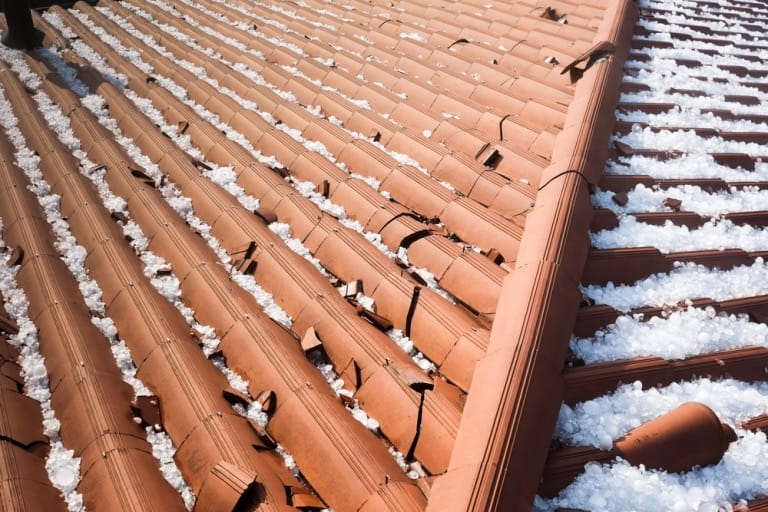

Hail is a fact of life on the South Plains. If you live in Lubbock long enough, you’ll see storms that leave lawns white in June, cars dimpled like golf balls and roofs that look fine from the street but are quietly falling apart. Local crews who handle roofing in Lubbock spend a big part of every spring and summer cleaning up after these storms.
Still, homeowners get caught off guard. Not by the storm. By what follows.
Here are five things people often learn the hard way.
1. The damage you can’t see matters most
Holes? Rare.
What hail usually does to an asphalt shingle is subtler. It knocks loose the protective granules on the surface and bruises the fiberglass mat underneath, a little like a bruise on an apple that looks fine on the outside but is soft when you press it. That spot won’t leak today. It may not leak this year. But sunlight and heat break it down faster than the rest of the shingle, and a year or two later water starts finding its way in.
That’s why an inspection by someone who knows what to look for is worth more than a glance from the driveway. Soft metal parts like vents, gutters and flashing often show dents more clearly than shingles do, and they help tell the story of how big the hail was and where it hit hardest.
2. Waiting can cost you
Why bother? It isn’t leaking.
Because most insurance policies have time limits for reporting storm damage, and those limits vary. Because small problems turn into bigger ones once water gets under the shingles and into the decking. And because when another storm hits a roof that’s already weakened, it’s harder to separate old damage from new. A quick inspection after a major storm, with photos and dates, keeps your options open even if you decide not to file a claim right away.
3. Not every roofer is local
They go door to door, offer free inspections and promise to handle everything. Some are legitimate. Many aren’t. And once the storm season is over they’re gone, along with any warranty they promised you.
When we talk with homeowners who had good experiences, they tend to mention the same things: a written estimate, clear photos of the damage, no pressure to sign on the spot and someone who answered the phone when a question came up months later. A family business like CRS Roofing & Construction that has worked through many West Texas storm seasons knows how local insurers handle these claims and which materials hold up best in this climate.
Ask for references, check that they carry insurance and get every promise, price and warranty detail in writing before anyone pulls a single shingle off your house.
4. Repair and replacement are different conversations
Sometimes a storm damages a few shingles on one slope. A targeted repair makes sense, and nobody should push you toward a full replacement you don’t need.
Other times, the damage is spread across the whole roof, the shingles are older and brittle, or the product on your house is no longer made, which means patches won’t match. In those cases a replacement may be the more honest answer. The key is understanding why one option is recommended over the other, in plain terms, backed by photos and a clear scope of work.
If your roof took a hard hit, reading about how hail damage roof repair in Lubbock is usually handled can help you walk into that conversation with better questions, from what an inspection should include to how the work and the insurance paperwork tend to fit together.
5. The next roof can be tougher than the last
Here’s the hopeful part. If you do end up replacing your roof, you can choose materials built for this climate.
Impact rated shingles, often labeled Class 4 under the UL 2218 standard, are tested to withstand strikes from steel balls dropped from set heights. They’re designed to flex rather than crack. Some insurance companies offer premium discounts for them, though that depends on your carrier and policy, so it’s worth calling and asking directly before you choose.
Metal roofing handles wind well and reflects more summer heat, and while large hail can dent it, the panels often keep shedding water even when marked.
Underneath the surface, better underlayment, sealed decks and proper ventilation add years to whatever goes on top. These layers don’t show up in photos of the finished house, yet they do a lot of the work.
A few habits that help every year
Clean your gutters each fall so storm water has somewhere to go, trim tree limbs that hang over the roof and keep a folder with your roof’s install date, product information and any repair receipts. After a major storm, walk your property, take photos and note the date.
None of this takes long.
After the sky clears
Hail is not going away. West Texas sits in one of the most active hail regions in the country, and every spring brings a fresh round of warnings, sirens and late afternoon downpours that hammer neighborhoods for ten minutes and then move on as if nothing happened.
What you can control is how ready you are. Know your policy. Know a contractor you trust before you need one. And don’t let a roof that looks fine from the street convince you it is fine, because under those granules the story might be very different.